
With more pharmaceuticals being used widely around the world, trace residues are increasingly appearing in public water supplies, raising health concerns. Let’s learn about pharmaceuticals in drinking water – where they come from, the risks they pose, and what effective filtration solutions exist.
Sources of Pharmaceutical Contamination
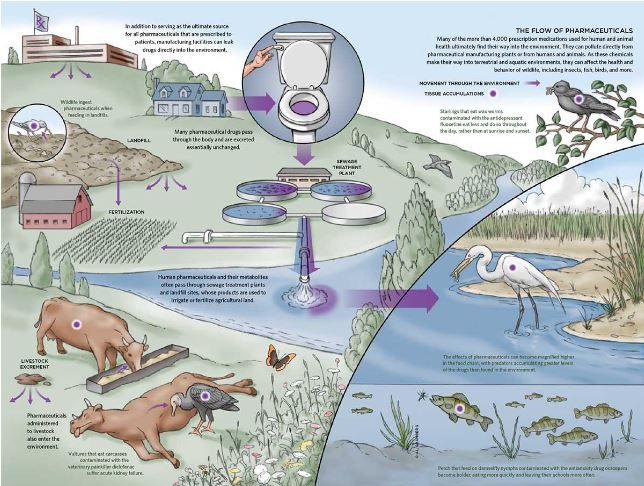
Prescription and over-the-counter medications and their byproducts can enter water supplies through a few avenues:
- Sewage Treatment Systems: The most common source. When people excrete unmetabolized medications, residues pass through sewage systems and eventually reach ground and surface waters.
- Agricultural Runoff: Pollution from livestock waste containing veterinary drugs and improper dumping of unused human medications can wash into waterways.
- Drug Manufacturing Waste: Improper disposal of pharmaceutical factory waste has contaminated water near some manufacturing facilities.
Potential Health and Environmental Risks
While detected pharmaceutical levels remain very low in most tap water, even trace amounts raise a few concerns:
- Short and long-term health impacts from chronic low-level exposure
- Increased microbial resistance to antibiotics
- Effects on aquatic life from hormones, steroids, and other active compounds
Of course, researchers are still investigating the scope of the risks to humans and ecosystems. But common sense says unnecessary drug residues in drinking water are best minimised.
Effective Water Filters that Remove Pharmaceuticals
Fortunately, several in-home water filtration technologies can reduce pharmaceuticals from drinking water:
- Reverse osmosis systems provide a high degree of pharmaceutical filtration under sink or on the counter.
- Activated carbon block gravity water filters reduce many common medications. Look for tight micropore filtration.
- Benchtop water purifiers with quality carbon filters remove some pharmaceuticals for smaller water quantities.
While pharmaceuticals remain an emerging water contaminant issue, effective in-home water filtration provides peace of mind and reduces your exposure from tap water. Safeguard your household’s water quality.