
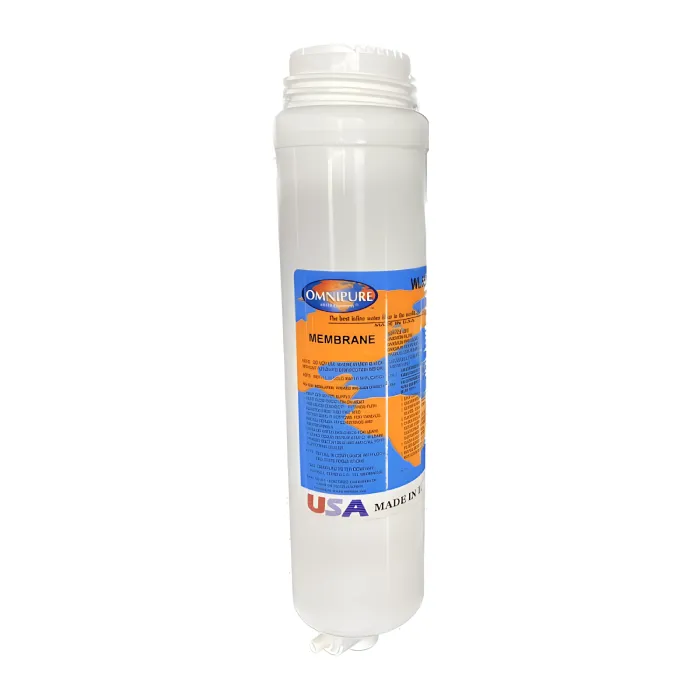
Omnipure Q Series Reverse Osmosis Membrane Filter Replacement Cartridge 10 Inch WL5572-S
$163.00 inc. GST
The heart of our RO systems. This precision membrane removes the finest contaminants to provide the highest level of water purity.
This membrane cartridge is suitable for our 4 & 5 Stage under sink & 3 and 4 stage Benchtop RO Systems.
- Primary Filter Media: Reverse Osmosis (RO) Membrane
- Filtration Purpose: Reduces dissolved solids, heavy metals, and microscopic impurities
- Micron Rating: 0.0001 Micron (Standard RO performance)
- Service Life: 3 – 6 Years (Water quality dependent)
- Dimensions: 10″ x 2.5″
- Operating Specifications: 125 psi Max / 1.7 – 37.8°C
- Origin: Designed and Made in the USA by Omnipure
Description
Additional information
| Thread | Right Hand Screw Head, Left Hand Screw Head |
|---|
Related products
-
Sale!
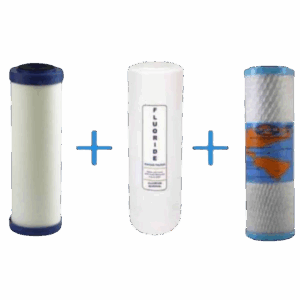
Triple Under Sink Replacement Filter Set Fluoride & Chloramine
Original price was: $263.00.$242.00Current price is: $242.00. inc. GST Add to cart -
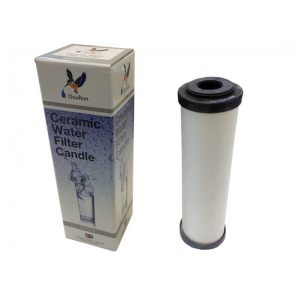
Doulton Ultracarb Water Filter Replacement Cartridge
$125.00 inc. GST Select options This product has multiple variants. The options may be chosen on the product page -
Sale!
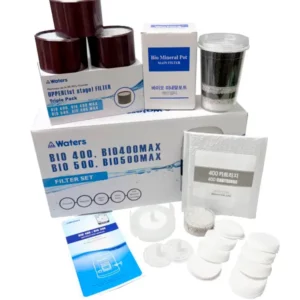
BIO 400/500 Replacement Filter Set – 18 Months
Original price was: $299.00.$279.00Current price is: $279.00. inc. GST Add to cart -
Sale!
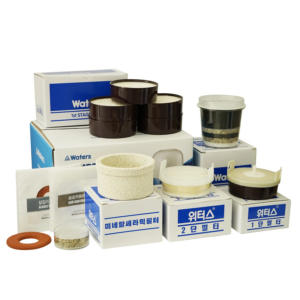
Bio 1000 10 litre Replacement filter set – 48 Months
Original price was: $779.00.$699.00Current price is: $699.00. inc. GST Add to cart

Reviews
There are no reviews yet.