
With the variety of water filters on the market, it can be tough to decide which is right for your home. Reverse osmosis (RO) systems are a popular choice for under sink filtration. But are they necessarily the best water filters out there? Let’s weigh the pros and cons.
How RO filtration works
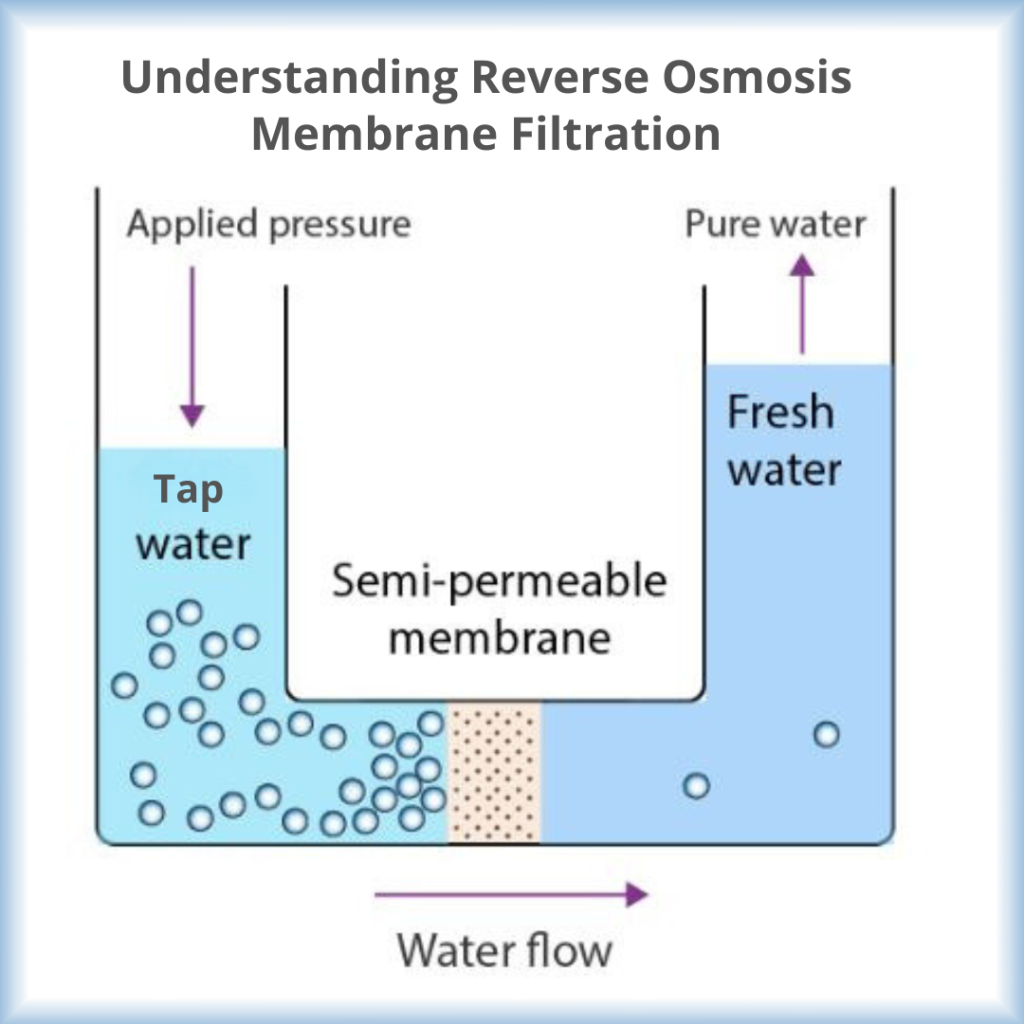
Reverse osmosis uses a multi-stage process to remove contaminants from water. First, water passes through a pre-filter to trap sediment. It then moves to the RO membrane, which has microscopic pores to block dissolved solids and ions. Anything larger than water molecules gets left behind, including fluoride, lead, bacteria, and more. The resulting pure water passes to a storage tank.
Benefits of RO systems
There are several advantages that make RO a preferred water purification system:
- Thorough filtration: RO membranes filter out the widest range of contaminants in any home system. This includes heavy metals, fluoride, microplastics, bacteria, and more.
- Improved taste: By removing dissolved solids like calcium and magnesium, RO water has a crisp, clean taste. No more funky tap water flavour!
- Flexible installation: RO systems are easy to install under sinks or as stand-alone countertop units like reverse osmosis water filter benchtop models.
- Simple maintenance: RO only requires occasional filter changes, making maintenance straightforward.
- Lower cost than bottled water: While pricier than basic pitchers or tap water filters, RO systems deliver bottled water quality at a fraction of the cost over time.
Downsides of RO systems
Downsides of RO to consider despite its benefits, RO isn’t perfect. Some drawbacks include a slower flow rate than gravitational water filters or tap water filtration systems. It removes healthy minerals along with contaminants so you may need to supplement magnesium and calcium. If you want to remineralise you can simply add some lemon juice or Himalayan salt, or add a trace mineral supplement to replace the healthy nutrients removed during the process.
- Wasteful: RO systems waste 2-3 gallons of water for every purified gallon produced.
- Higher upfront and maintenance costs than simple filtration methods.
While highly effective, RO may be beyond what you need. Some alternatives to consider:
- Activated carbon gravity water filters for basic sediment and chlorine removal
- Ion exchange filters to selectively remove heavy metals and retain healthy minerals
- Specialty filters like reverse osmosis water filter that filters flouride
- Whole house filtration for treating all tap water entering your home.
Reverse osmosis is arguably the most thorough home water filtration system available today. But it may be an overkill, depending on your water quality needs and budget. Weigh its benefits against your alternatives to decide if RO is your best bet for under sink filtration in your home. And don’t be afraid to combine RO with other filtration methods for a customised water treatment solution.