
There is an undeniable, deep-rooted romance to the sound of rain drumming against a tin roof. For
generations, catching those falling drops has been celebrated as the ultimate act of clean, sustainable,
off-grid living. When we look up at a clear sky during a heavy downpour, it is easy to assume that nature
is providing us with the ultimate form of pristine, untouched hydration. But as someone who looks at
water quality through a practical, scientific lens, I always find myself returning to a fundamental question:
Is rainwater actually pure?
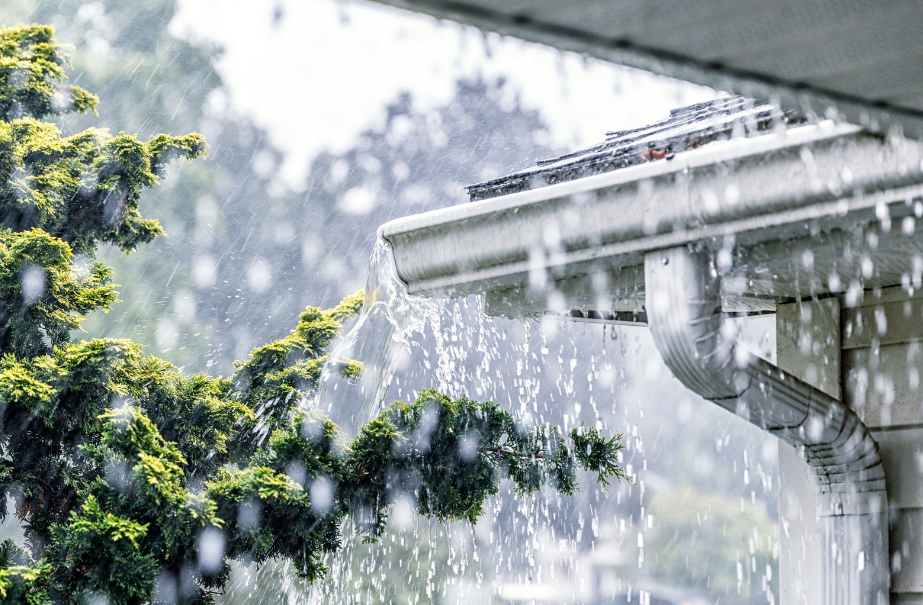
The short answer is: it starts out that way, but it rarely stays that way. In theory, rain is the product of
nature’s grand distillation process. Liquid water evaporates from oceans, lakes, and soil, leaving solid
impurities behind, condenses into clouds, and falls back to Earth. However, the moment a raindrop
begins its descent through the atmosphere, it acts like a tiny chemical sponge. It dissolves airborne
gasses and sweeps up suspended particulates, dust, industrial smog, pollen, and even microplastics
before it ever comes close to your property.
Is it safe to drink rainwater in Australia?

Here in Australia, relying on a backyard tank is a deeply ingrained way of life, especially across rural and
regional communities. But evaluating its safety requires looking at how that water gets from the sky into
your glass. Once the rain hits your roof, it washes down everything that has accumulated on that surface
since the last downpour. We are talking about bird droppings, possum tracking, decaying leaves,
windblown dirt, and potentially toxic heavy metals leaching from old flashings, lead-based paints, or
roofing materials.
Because of this, health authorities generally recommend utilising treated mains water if it is available.
However, thousands of Australians safely rely on rainwater tanks every day by managing their collection
setup diligently. To ensure your tank water is safe for consumption, you have to treat it as an active
system that requires physical protection.
The absolute baseline for safety begins at the tank itself. Installing a high-quality filter for rain water
tank intake, such as a first-flush diverter, is essential. This simple, mechanical device isolates the very
first few millimetres of a rainfall event, which carries the vast majority of roof debris, and flushes it away
before allowing the subsequent, much cleaner water to flow into your main storage tank.
But a tank filter is only the first line of defense against coarse grit and biological matter. To confidently
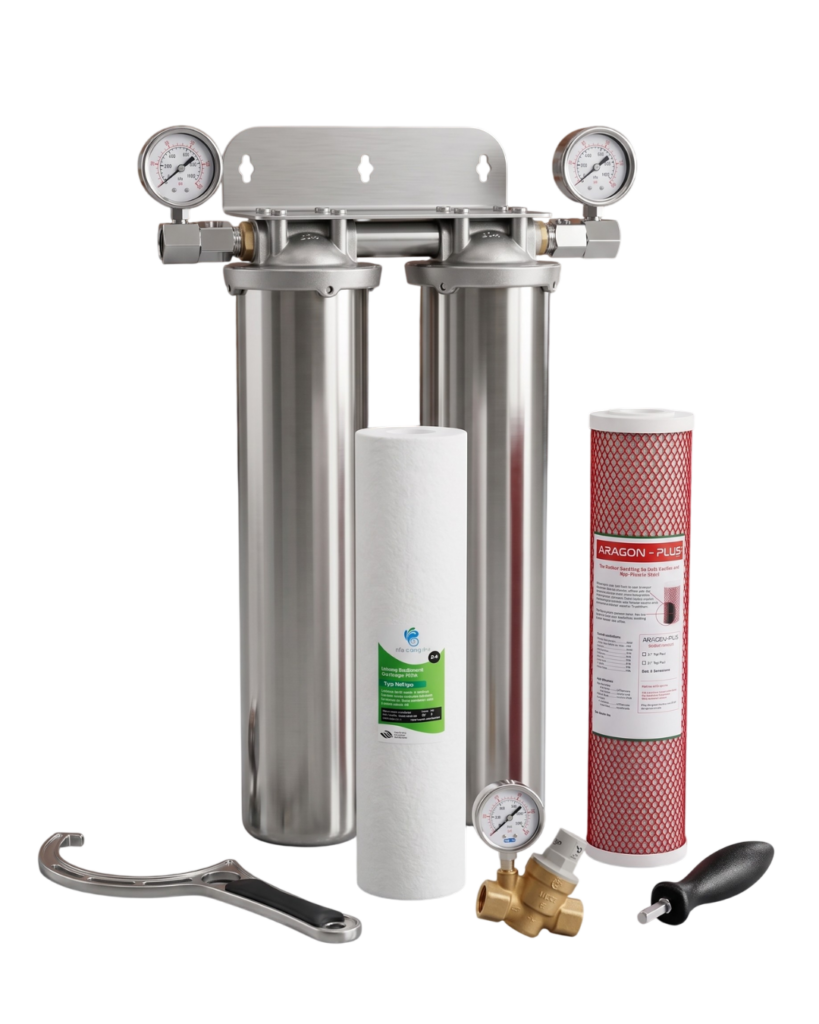
drink it without a second thought, you need dedicated treatment at the point of use. A multi-stage
undersink water filter installed right at your kitchen tap is an excellent, practical strategy.
By combining a fine sediment cartridge with an activated carbon block and a sub-micron filtration membrane, these
units successfully strip out remaining sediment, pesticide residues, heavy metals, and parasitic cysts like
Giardia or Cryptosporidium, giving you clean, crisp-tasting water on demand.
What is the purest form of water on earth?

If rainwater gathers impurities on its journey and groundwater is packed with dissolved crustal minerals, it
begs the question: what actually qualifies as the purest form of water on Earth? In nature, the closest you
will ever get is pristine glacial ice melt found deep within isolated polar regions, where the water was
frozen solid long before modern industrial pollution saturated our atmosphere.
However, from a strict chemical perspective, the purest water on the planet isn’t found in nature at all – it
is created in a laboratory or through dedicated thermal distillation. Pure water is strictly H2O, entirely
stripped of minerals, salts, bacteria, volatile organic compounds, and synthetic chemicals.
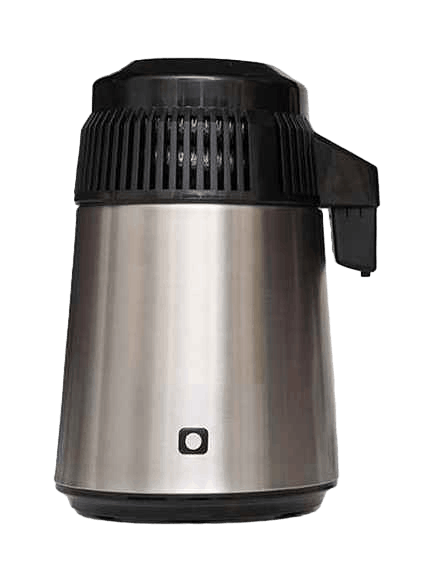
To recreate this pristine standard right at home, many wellness enthusiasts bypass standard filters
entirely and turn to thermal distillation. Utilising a specialized countertop unit like a Megahome
water distiller allows you to replicate the water cycle perfectly. By boiling your water, capturing the
pure steam, and condensing it into a separate glass carafe, you leave 99.9% of all toxins, heavy
metals, fluoride, and pathogens behind in the boiling chamber. It is the ultimate peace of mind for
those wanting absolute control over their hydration.
Achieving True Water Security
Ultimately, while rainwater isn’t inherently pure, it remains an incredibly valuable and viable resource. By
understanding how environmental factors and roofing materials impact its chemistry, and by deploying
smart filtration tools – from a robust filter for rain water tank setups to advanced undersink water filter
systems – you can transform raw precipitation into safe, premium household water.